



Bladder Cancer
Facts About Bladder Cancer
Radiation therapy, or radiotherapy, is the use of various forms of radiation to safely and effectively treat cancer and other diseases. Radiation oncologists may use radiation to cure cancer, to control the growth of the cancer or to relieve symptoms, such as pain.
Radiation therapy works by damaging cells. Normal cells are able to repair themselves, whereas cancer cells cannot. New techniques also allow doctors to better target the radiation to protect healthy cells.
- The American Cancer Society estimates that more than 67,000 new cases of bladder cancer will be diagnosed in the United States this year.
- Bladder cancer is four times more common in men than in women and two times more common in Caucasians than African-Americans.
- In the United States, bladder cancer is the fourth most common cancer in men and the eighth most common in women.
- The five-year survival rate for all types of bladder cancer is 82 percent. If the cancer is confined to the bladder (noninvasive), the survival rate is 94 percent.
About Bladder Cancer
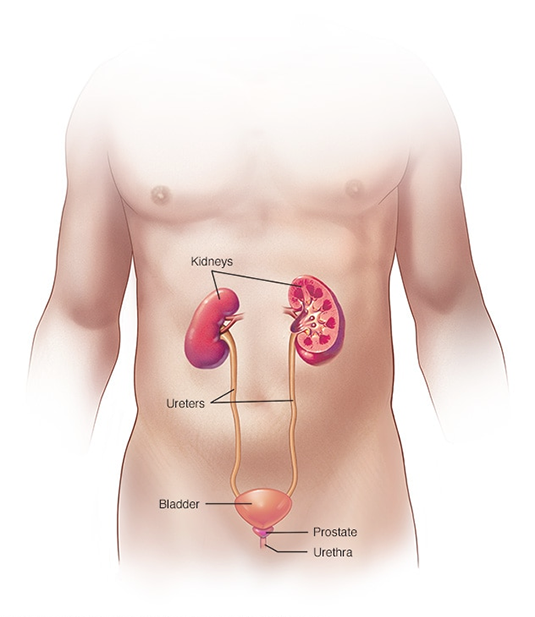
The bladder is located in the pelvis. It collects and stores urine and has a muscular wall that allows it to contract and expand.
- About 90 percent of bladder cancers are transitional cell carcinoma. Squamous cell carcinoma, adenocarcinoma and small cell carcinoma account for the rest.
- Cancer that is only in the bladder lining is called superficial bladder cancer. More than 75 percent of bladder cancer is diagnosed as a superficial disease and has an excellent survival rate.
- Invasive bladder cancer penetrates the layers of muscles in the bladder and is more likely to spread to other parts of the body.
Treating Bladder Cancer
- Surgery by a surgical oncologist or urologist to remove the cancer or possibly part or all of the bladder.
- Radiation therapy where a radiation oncologist uses high-energy X-rays to destroy the tumor.
- Chemotherapy where a medical oncologist uses drugs to eliminate the cancer. In some instances, drugs may be put directly into the bladder.
- Biologic therapy (also called immunotherapy) where doctors stimulate your immune system to fight the cancer.
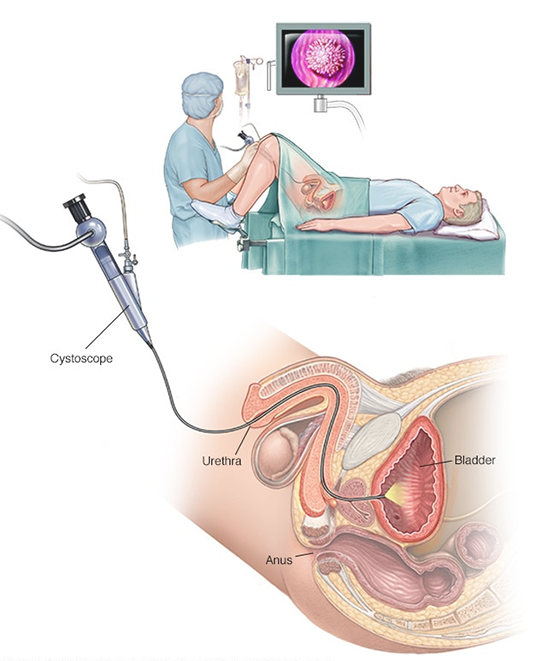
In the past, complete removal of the bladder was the only way to treat bladder cancer. With advances in radiation therapy and chemotherapy, doctors are sometimes able to treat the cancer while preserving the bladder. This allows many patients to preserve normal urinary function.
Radiation Therapy Options for Bladder Cancer
Radiation therapy, sometimes called radiotherapy, is the careful use of radiation to safely and effectively treat cancer.
- Radiation therapy works within cancer cells by damaging their ability to multiply. When these cells die, the body naturally eliminates them.
- Healthy cells are also affected by radiation, but they are able to repair themselves in a way cancer cells cannot.
External beam radiation therapy
External beam radiation therapy involves a series of daily outpatient treatments to deliver radiation to the bladder. These treatments take less than half an hour each, five days a week, for five to seven weeks.
The 3-dimensional conformal radiotherapy (3D-CRT) combines multiple radiation treatment fields to deliver precise doses of radiation to the cancer. This technique helps keep radiation away from nearby healthy tissue.
Potential Side Effects
The side effects you might feel will depend on the part of your body being treated, the dose of radiation given and whether you also receive other treatments, such as chemotherapy. Before treatment begins, ask your doctor about possible side effects and how you can best manage them.
- Bladder irritation with increased need to urinate.
- Bowel irritation with abdominal cramping, rectal pressure and diarrhea are possible.
- Fatigue where you feel tired much of the time.
- You may experience a mild skin irritation, like a sunburn, and you may lose your pubic hair. Side effects are usually limited to the part of your body that receives radiation and should get better after treatment ends.
- Some patients may also suffer from sexual problems, such as vaginal dryness or difficulty achieving an erection.
- Most side effects should go away after the treatments end.
Talk to your doctor or nurse about any discomfort you feel. He or she may be able to provide drugs or other treatments to help.
Caring for Yourself During Treatment
During treatment, it’s important to get plenty of rest and follow your doctor’s instructions closely, asking questions whenever you feel unsure about your treatments or side effects. Be sure to tell your doctor about any medications or vitamins you’re taking so they can confirm they’re safe to use during radiation therapy. Maintain a balanced diet, and if food begins to taste different or you have trouble eating, let your doctor or dietician know—they can help you adjust your eating habits. Take special care of the skin exposed to radiation by staying out of the sun, avoiding hot or cold packs, and using lotions or ointments only after checking with your doctor or nurse; when washing the area, stick to water and mild soap. Above all, remember that fighting cancer is challenging, and you don’t have to do it alone—reach out to friends, family, support groups, and your radiation oncology team for support.

Contact Form
MACON
The Peyton Anderson Cancer Life Center
800 First Street
Suite 110
Macon, GA 31201
Phone: (478) 743-3466
WARNER ROBINS
114 Sutherlin Drive
Suite R
Warner Robins, GA 31088
Phone: (478) 287-6353