



Colorectal Cancer
Radiation Therapy for Colorectal Cancer
Colorectal cancer, which includes cancers of the colon and rectum, is one of the most common cancers worldwide but is often highly treatable when detected early. It typically begins as small growths called polyps that develop on the inner lining of the colon or rectum, some of which can eventually become cancerous. Because symptoms may not appear in the early stages, regular screening is essential for early detection and prevention. With advances in screening, diagnosis, and treatment, many people diagnosed with colorectal cancer are able to achieve successful outcomes.
General Risk Factors for Colorectal Cancer
The greatest risk factor for colorectal cancer is age, with more than 90 percent of cases occurring in people over 50, though the disease can develop at any age. Knowing your family history and being aware of additional risk factors is important. These include a personal history of colorectal cancer, colon polyps, ulcerative colitis, or Crohn’s disease. Lifestyle factors also play a role: a diet high in fat and red meat and low in fruits and vegetables, as well as obesity, physical inactivity, smoking, and excessive alcohol consumption, can all increase the risk of developing colorectal cancer.
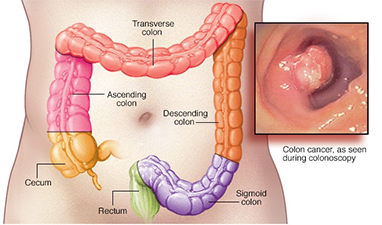
Signs of Colorectal Cancer
Colorectal cancer often develops without obvious symptoms, but certain signs can indicate a problem. These may include changes in bowel habits, such as alternating episodes of diarrhea and constipation, as well as bloody bowel movements or rectal bleeding. Some people experience general abdominal discomfort, bloating, unexplained weight loss, chronic fatigue, or unexplained anemia. Because these symptoms can be subtle or mistaken for other conditions, it’s important to seek medical evaluation if they occur.
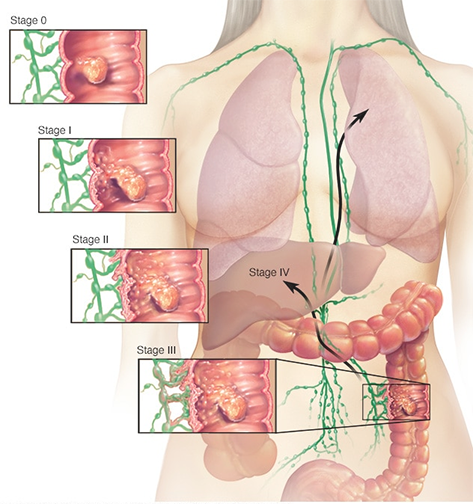
Diagnosing Colorectal Cancer
Special tests are used to detect and diagnose colorectal cancer by evaluating the colon and rectum. Your doctor may begin with a physical exam to assess your overall health, including a digital rectal exam (DRE) to check for abnormal masses. Additional tests can include checking your stool for hidden blood, performing a sigmoidoscopy to examine the rectum and sigmoid colon using a thin, lighted tube, or conducting a double-contrast barium enema in which X-rays reveal the inside of the bowel. A colonoscopy, which uses a long, flexible lighted tube, allows your doctor to view the entire colon and rectum and identify polyps or other abnormal areas. To confirm whether cancer is present, tissue samples may be taken during a sigmoidoscopy or colonoscopy and examined under a microscope in a biopsy. If colorectal cancer is diagnosed, further scans are often needed to determine whether it has spread.
Treating Colorectal Cancer
The primary treatment for cancers of the colon and rectum is surgery, and for cancers that have not spread, surgery alone may be enough to cure the disease. Depending on the location and stage of your cancer, your doctor may also recommend chemotherapy and/or radiation therapy, which can be given either before or after surgery. For rectal cancer specifically, radiation therapy is typically combined with chemotherapy and may be administered before or after the operation. In some cases, receiving radiation therapy before surgery can allow the surgeon to preserve the anus, helping patients avoid a permanent colostomy and potentially reducing the chance of the cancer returning.
Understanding Radiation Therapy
Radiation therapy, sometimes called radiotherapy, is the careful use of radiation to safely and effectively treat cancer.
- Radiation oncologists use radiation therapy to try to cure cancer, to control cancer growth or to relieve symptoms, such as pain.
- Radiation therapy works within cancer cells by damaging their ability to multiply. When these cells die, the body naturally eliminates them.
- Healthy tissues are also affected by radiation, but they are able to repair themselves in a way cancer cells cannot.
Possible Side Effects
People with colorectal cancer often receive chemotherapy at the same time as radiation therapy. Side effects during this combined treatment can result from radiation to the pelvic area and from the body-wide effects of chemotherapy. Radiation may cause more frequent bowel movements, diarrhea, abdominal cramping, rectal pressure or discomfort, increased urination, burning with urination, skin irritation, nausea, and fatigue. These effects are usually temporary and improve after treatment ends. Chemotherapy side effects vary depending on the specific drugs used. Because treatment may affect fertility, it’s important to talk with your doctor about any potential risks if you plan to have children in the future. Since side effects differ from person to person, be sure to ask your doctor what you can expect from your particular treatment plan.

Contact Form
MACON
The Peyton Anderson Cancer Life Center
800 First Street
Suite 110
Macon, GA 31201
Phone: (478) 743-3466
WARNER ROBINS
114 Sutherlin Drive
Suite R
Warner Robins, GA 31088
Phone: (478) 287-6353