



Gynecologic Cancer
Radiation Therapy for Gynecologic Cancer
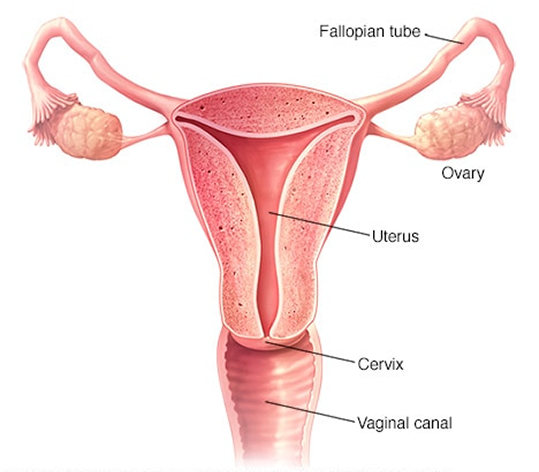
Gynecologic cancer refers to cancers that begin in a woman’s reproductive organs, including cervical, ovarian, uterine (endometrial), vaginal, and vulvar cancers. HPV infection is a major risk factor for several of these cancers—particularly cervical, vaginal, and vulvar—and vaccination can significantly reduce this risk. Ovarian cancer is often considered a “silent” disease because its early symptoms, such as bloating or abdominal discomfort, can be subtle and easily overlooked. Endometrial cancer is the most common gynecologic cancer in the United States and frequently presents with abnormal vaginal bleeding. While the risk of gynecologic cancers increases with age, they can occur at any time in a woman’s life, making regular screenings and awareness of symptoms essential for early detection and prevention.
Treatment Options for Gynecologic Cancers
Treatment for gynecologic cancers depends on several factors, including the type of cancer, its extent (stage), its location and your overall health. It is important to talk with several cancer specialists before deciding on the best treatment for you, your cancer and your lifestyle.
Sometimes, your cancer may be treated by using only one type of treatment. In other cases, your cancer may be best cured using a combination of surgery, radiation therapy and chemotherapy.
Understanding Radiation Therapy
Radiation therapy, or radiotherapy, is the precise use of radiation to safely and effectively treat cancer. Radiation oncologists use it to cure cancer, control its growth, or relieve symptoms such as pain. The treatment works by damaging the ability of cancer cells to multiply, and once these cells die, the body naturally clears them away. While healthy tissues may also be affected by radiation, they can repair themselves in ways cancer cells cannot. External beam radiation therapy delivers radiation from a machine outside the body, while internal radiation therapy, or brachytherapy, uses radioactive sources placed in the vagina, uterus, or surrounding tissues to directly target and kill cancer cells.
External Beam Radiation Therapy
External beam radiation therapy involves a series of daily outpatient treatments to deliver radiation to the cancer accurately. Treatments are painless and are similar to getting an X-ray. They are usually given in a series of daily sessions, each taking less than half an hour, Monday through Friday, for five to six weeks.
- 3-dimensional conformal radiotherapy (3D-CRT) combines multiple radiation treatment fields to deliver precise doses of radiation to the affected area. Tailoring each of the radiation beams to focus on the tumor delivers a high dose of radiation to the tumor and avoids nearby healthy tissue.
- Intensity modulated radiation therapy (IMRT) is the most recent advance in the delivery of radiation. IMRT improves on 3D-CRT by modifying the intensity of the radiation within each of the radiation beams. This allows more precise adjustment of radiation doses to the tissues within the target area.
Internal Radiation Therapy
Internal radiation therapy (also called internal or intracavitary radiotherapy, or brachytherapy) involves placing radioactive sources in or next to the cancer. This is usually done at the same time or after external beam radiation therapy to achieve the best results. Brachytherapy is very important in the treatment of vaginal, cervical and uterine cancers. There are two types of brachytherapy:
- High-dose-rate brachytherapy does not usually require you to be admitted to the hospital. The entire procedure typically takes a few hours. In some simple cases, treatment can take less than an hour.
Possible Side Effects
The side effects you may experience during radiation therapy depend on the area being treated and the type of radiation used, so it’s important to ask your doctor beforehand what you can expect. Some patients have minor or no side effects and are able to continue their normal routines. Others may experience symptoms such as nausea, fatigue, skin irritation, vaginal irritation and discharge, frequent urination, burning with urination, or diarrhea, all of which typically resolve after treatment ends. Over time, you may also notice subtle changes in your bowel, bladder, or vaginal function; for example, radiation can make the vagina drier and less flexible, and your doctor or nurse can offer guidance on how to manage these changes. Additional side effects may occur if you are receiving chemotherapy along with radiation. If you develop any side effects at any point, be sure to tell your doctor or nurse—they can provide medication or other support to help you feel better.

Contact Form
MACON
The Peyton Anderson Cancer Life Center
800 First Street
Suite 110
Macon, GA 31201
Phone: (478) 743-3466
WARNER ROBINS
114 Sutherlin Drive
Suite R
Warner Robins, GA 31088
Phone: (478) 287-6353